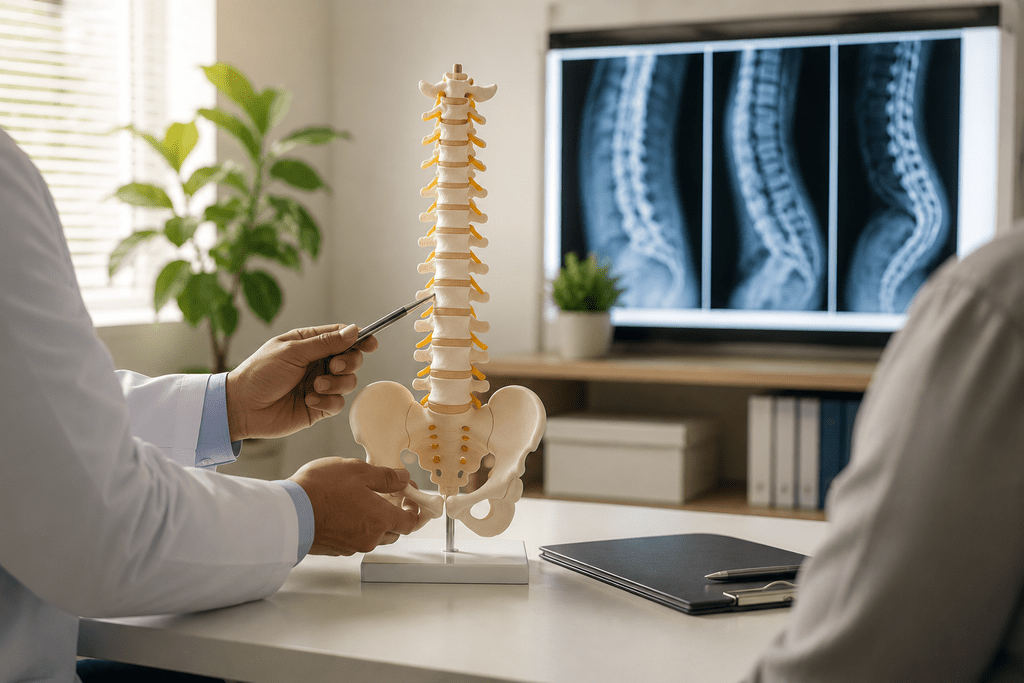
Persistent back pain, neck discomfort, stiffness or difficulty with movement can affect work, sleep and everyday activities. If you are looking for an Orthopedic Spine Specialist In Shirur Pune , understanding the cause of your symptoms is an important first step. A proper clinical assessment can help determine whether the problem may be related to muscles, joints, discs, nerves or the spine.
Spine care in 2026 is increasingly focused on accurate diagnosis, personalised treatment planning and preserving mobility wherever possible. Depending on the condition, treatment may involve lifestyle changes, physiotherapy, medicines, guided rehabilitation or surgical evaluation when clinically appropriate.
What Is Changing in Modern Spine Care?
Contemporary orthopaedic care is increasingly centred around individual symptoms, functional goals and evidence-based treatment decisions.
Earlier Assessment
Persistent or recurring symptoms are increasingly assessed early to understand the underlying cause and prevent unnecessary delays in care.
Personalised Treatment
Treatment plans are increasingly tailored according to symptoms, activity levels, medical history and individual functional requirements.
Mobility-Focused Care
The goal is often to improve comfort, movement and daily function while selecting treatment according to the specific diagnosis.
Common Spine and Orthopaedic Problems
Back and neck symptoms can have several possible causes. Identifying the pattern and duration of symptoms helps guide appropriate clinical evaluation.
Lower Back Pain
Discomfort in the lower back may be associated with muscle strain, spinal joints, discs or other conditions.
Neck Pain
Neck stiffness or pain may interfere with movement, posture, work and sleep.
Disc Problems
Disc-related conditions can sometimes contribute to back pain, stiffness or nerve-related symptoms.
Nerve Symptoms
Pain, tingling, numbness or weakness may require professional assessment to identify the source.
When Should You Consider a Spine Evaluation?
Occasional discomfort may improve with rest and appropriate self-care, but persistent, worsening or recurring symptoms deserve professional attention.
Symptoms Worth Discussing
- Persistent or recurring back pain
- Ongoing neck stiffness
- Pain extending into an arm or leg
- Numbness or tingling sensations
- Difficulty with normal movement
- Symptoms affecting work or sleep
Why Accurate Diagnosis Matters
Back and neck pain can arise from different structures. Treatment is more meaningful when it is based on the individual’s symptoms, clinical findings and appropriate investigations.
Clinical Assessment
A detailed discussion of symptoms and physical examination can help identify important patterns.
Imaging When Needed
Depending on the situation, imaging may be recommended to understand structural changes or investigate persistent symptoms.
Individual Treatment Plan
Treatment decisions should consider diagnosis, symptom severity, lifestyle and the person’s functional goals.
Conservative Care May Be Part of the Plan
Depending on the diagnosis, many spine conditions may initially be managed with non-surgical approaches. The appropriate plan varies from patient to patient.
Possible Components
- Activity modification
- Physiotherapy and rehabilitation
- Posture and ergonomic guidance
- Clinically appropriate medication
- Strength and mobility exercises
- Regular follow-up when required
Simple Habits That Support Better Spine Health
Stay Active
Regular movement can support mobility and overall physical function.
Improve Posture
Pay attention to sitting, standing and workstation habits.
Lift Carefully
Use appropriate lifting techniques and avoid unnecessary strain.
Maintain Healthy Habits
Sleep, movement and overall fitness can contribute to better musculoskeletal health.
How to Find the Best Orthopaedic and Spine Care in Pune
Choosing appropriate orthopaedic and spine care starts with finding a qualified professional who takes time to understand your symptoms and explains the available treatment options clearly. Consider clinical experience, diagnostic facilities, treatment approach, communication and follow-up support when making your decision.
Points to Consider
- Relevant orthopaedic and spine expertise
- Thorough clinical evaluation
- Clear explanation of treatment choices
- Access to appropriate diagnostic investigations
- Personalised rehabilitation guidance
- Convenient location and follow-up care
When Should Back or Neck Symptoms Be Taken Seriously?
Certain symptoms should not be ignored. Seek prompt medical attention when pain is severe or rapidly worsening, or when symptoms are accompanied by significant weakness, loss of sensation, problems with balance, bowel or bladder changes, or other concerning changes.
This information is for general awareness and does not replace an examination or personalised medical advice.
Frequently Asked Questions About Spine Care
Quick answers to common questions about back, neck and spine-related concerns.
Don’t Let Persistent Spine Symptoms Limit Your Routine
Understanding the cause of back or neck symptoms can help you make informed decisions about your care. Consider professional evaluation when symptoms persist or affect your daily life.
Explore Spine & Orthopaedic CareFinal Takeaway
Modern spine care is moving towards accurate assessment, personalised treatment and a stronger focus on maintaining mobility and quality of life. Back and neck symptoms can have different causes, so professional evaluation is important when discomfort persists, returns frequently or interferes with normal activities.
If you are looking for local orthopaedic guidance and want to understand available treatment options, explore Spine and Orthopaedic Treatment in Shirur Pune for more information.