Finding out you are pregnant is one of life’s happiest moments, and it also brings a wave of questions. What should you eat? How many checkups do you need? Which scans are important? Who will guide you safely until delivery? Every expecting mother deserves clear answers and a caring medical team she can trust.
In this complete guide, we explain what regular antenatal care looks like, which habits support a healthy pregnancy, and what to look for when choosing a Gynecologist In Ravet and a hospital. Whether this is your first pregnancy or your second, the information below will help you and your family plan with confidence.
Why Early Antenatal Care Matters
Antenatal care is the regular medical attention you receive from the first weeks of pregnancy until delivery. Early visits help your doctor confirm the pregnancy, estimate your due date, check your blood pressure, weight and blood reports, and identify risk factors such as anaemia, thyroid problems, diabetes or high blood pressure.
When concerns are found early, they are far easier to manage, which is why many families choose to begin regular care from the very first trimester. Regular checkups also give you a safe space to ask questions, clear doubts and feel confident about every step.
Good antenatal care is not only about tests. It is about building a relationship with a doctor who knows your history, understands your concerns and can recognise when something needs closer attention.
What to Expect at Your First Antenatal Visit
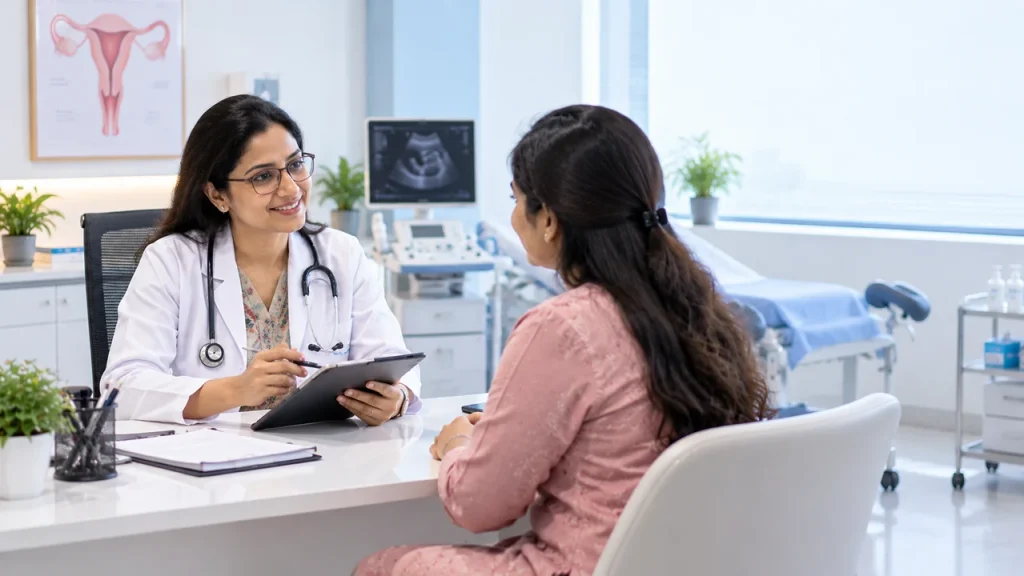
Your first appointment is mainly about getting to know you. Expect questions about your menstrual cycle, previous pregnancies, existing health conditions, medicines you take and any family history of diabetes, hypertension or genetic conditions. Be open and share everything, even if it seems minor.
The doctor will usually check your weight, blood pressure and general health, and advise blood and urine tests along with an early ultrasound to confirm the pregnancy and the baby’s heartbeat. You will also receive guidance on supplements, diet, safe medicines and what symptoms are normal.
Come prepared with a short list of questions and, if possible, bring your partner or a family member. Having someone with you helps you remember instructions and feel supported.
What Happens in Each Trimester
First Trimester (Weeks 1 to 12)
Your body is adjusting to major hormonal changes. Nausea, tiredness, breast tenderness and mood swings are common. This is the stage when your baby’s organs begin to form, so supplements like folic acid, a nutritious diet and avoiding unprescribed medicines are especially important. Your doctor will advise basic investigations and an early scan.
Second Trimester (Weeks 13 to 27)
Many women feel more energetic and less nauseous in this phase. A detailed anatomy scan checks your baby’s development, and you will begin to feel gentle movements. Blood sugar screening is usually done around this time, and your doctor will monitor your haemoglobin and blood pressure closely.
Third Trimester (Weeks 28 to 40)
Visits become more frequent. Your doctor tracks your baby’s growth, position and movements, checks for swelling or rising blood pressure, and helps you plan the safest mode of delivery. You may feel breathless, tired or have difficulty sleeping, all of which are common as your baby grows.
How to Choose the Right Doctor and Hospital
Look for a doctor who listens patiently, explains your reports clearly and is available when you need guidance. Experience in both normal and high-risk deliveries, along with respectful, personalised care, is well worth looking for. You should feel comfortable asking any question without hesitation.
Facilities matter too. A good hospital offers 24×7 emergency support, a well-equipped labour room, a newborn care unit and caring nursing staff. Being close to home is a real advantage when labour begins, because every minute counts in an emergency.
If you want comfort, safety and personal attention close to home, consider visiting the Best Maternity Hospital In Ravet. You can find Glory Women’s Clinic on the map below.
Nutrition Tips for Expecting Mothers
You do not need to eat for two, but you do need to eat well. Your growing baby depends on the nutrients you provide, so aim for variety and balance in every meal.
- Protein: include dal, eggs, paneer, curd, milk, sprouts, fish or chicken (well cooked) in your daily meals.
- Iron-rich foods: leafy greens, beetroot, dates, jaggery and pulses help prevent anaemia, and vitamin C foods improve iron absorption.
- Calcium: dairy products, ragi and sesame seeds support your baby’s bones and your own.
- Fibre and fluids: fruits, vegetables, whole grains and plenty of water ease constipation and keep you hydrated.
- Food safety: avoid raw or undercooked meat, unpasteurised dairy, and limit caffeine as advised by your doctor.
If nausea makes eating difficult, try small, frequent meals and ask your doctor about safe ways to manage it.
Exercise, Sleep and Emotional Wellbeing
For most healthy women, gentle movement such as daily walking, prenatal yoga and simple stretching improves circulation, reduces back pain and boosts mood. Avoid strenuous workouts, contact sports and anything that risks a fall, and always take your doctor’s approval before starting a routine.
Sleep matters as much as diet. As your belly grows, sleeping on your side with a pillow between your knees is usually more comfortable. Short rests during the day can also help when fatigue builds up.
Emotional health deserves equal attention. Mood changes are common, but if you feel persistently anxious, low or overwhelmed, talk to your doctor. Support from family, friends and your medical team makes a real difference, which is why many mothers look for the Best Gynecologist In Akurdi for Pregnancy who offers patient, compassionate care. Asking for help is a sign of strength.
Warning Signs You Should Never Ignore
Most pregnancies progress smoothly, but contact your doctor or visit the hospital immediately if you notice any of the following:
- Heavy vaginal bleeding or leaking of fluid
- Severe or persistent abdominal pain
- Noticeably reduced baby movements
- Severe headache with blurred vision or sudden swelling of the face and hands
- High fever or painful, burning urination
Preparing for Delivery
In the last weeks of pregnancy, discuss your delivery options openly with your doctor. The right choice between normal delivery and a caesarean depends on your health, your baby’s position and any complications, and the safest option is always the one that protects both mother and baby.
Pack your hospital bag early with your medical file, ID documents, comfortable clothes, toiletries and essentials for your newborn. Keep emergency contact numbers handy, plan your route to the hospital, and make sure your family knows the signs of labour: regular, strengthening contractions, rupture of the water bag or bleeding.
After delivery, regular postnatal checkups, rest, good nutrition and support with breastfeeding are just as important as the care you received during pregnancy.
Final Takeaway
A healthy pregnancy is built on early checkups, balanced nutrition, gentle activity, emotional support and a doctor you can trust. Pay attention to your body, follow your doctor’s advice, and never hesitate to ask questions.
For caring, evidence-based guidance through every stage, connect with the Best Gynecologist In Ravet and enjoy your journey to motherhood with confidence.
Frequently Asked Questions
Ready to Begin Your Pregnancy Journey with Confidence?
Book a consultation with Dr. Darshana Sonawane at Glory Women’s Clinic and get compassionate, personalised care for you and your baby.
Get Directions Visit Website