Knee replacement surgery has evolved significantly over the years, with robotic-assisted procedures now offering unmatched precision, faster recovery, and improved patient outcomes. However, while technology plays a crucial role, the choice of hospital is equally important in determining the success of your treatment.
If you are searching for the Best robotic knee replacement hospital in pune, this detailed guide will help you understand what truly defines a top hospital, what factors to consider, and how to make a confident decision for your health.
Understanding Robotic Knee Replacement
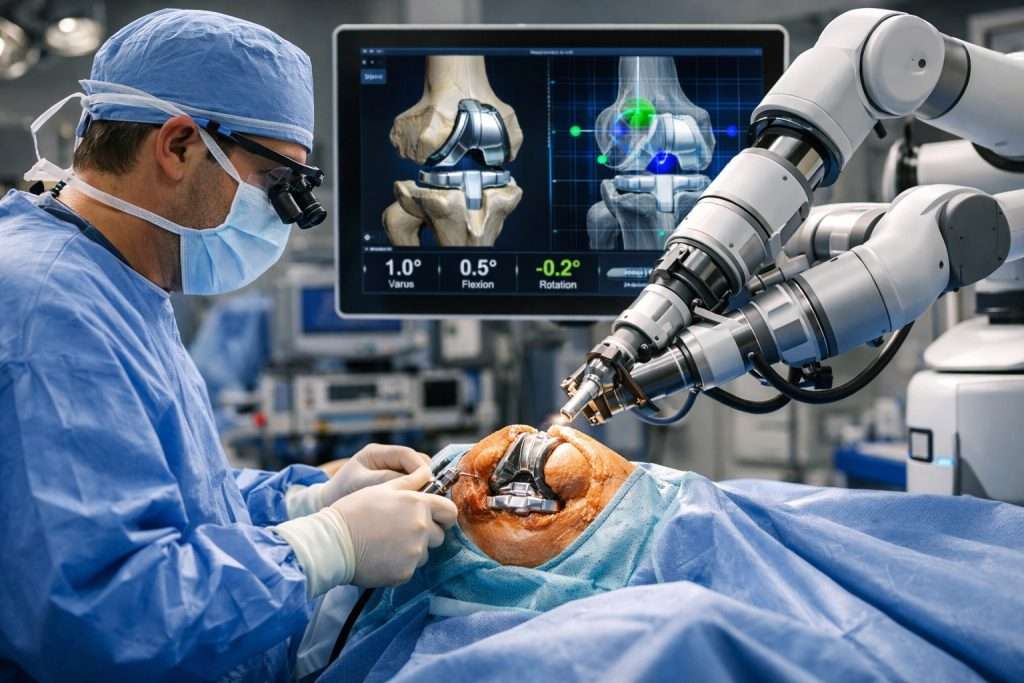
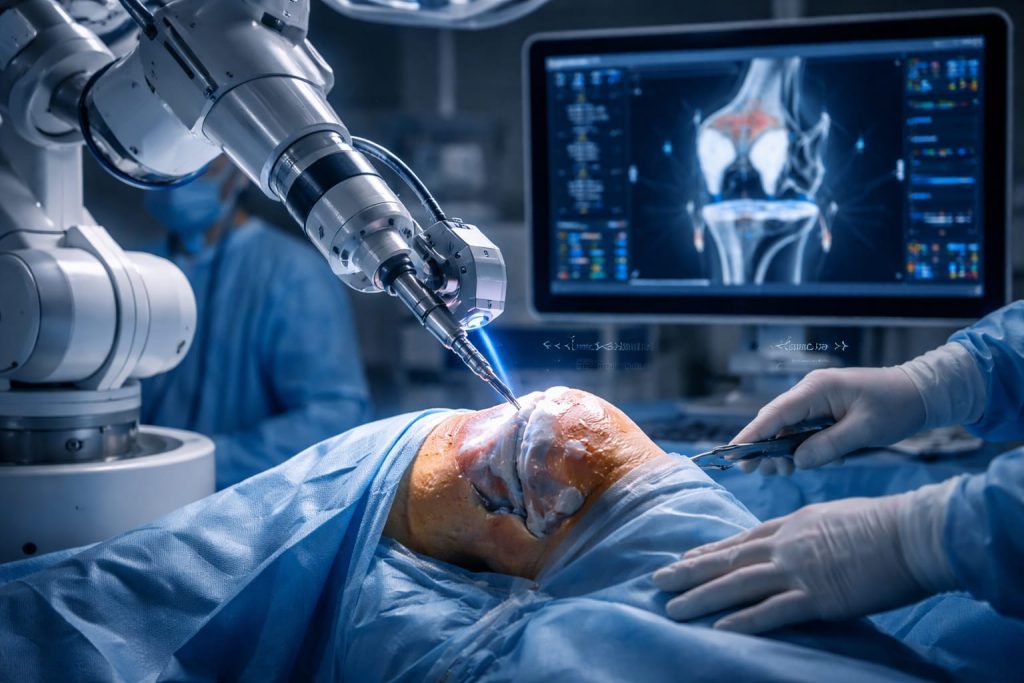
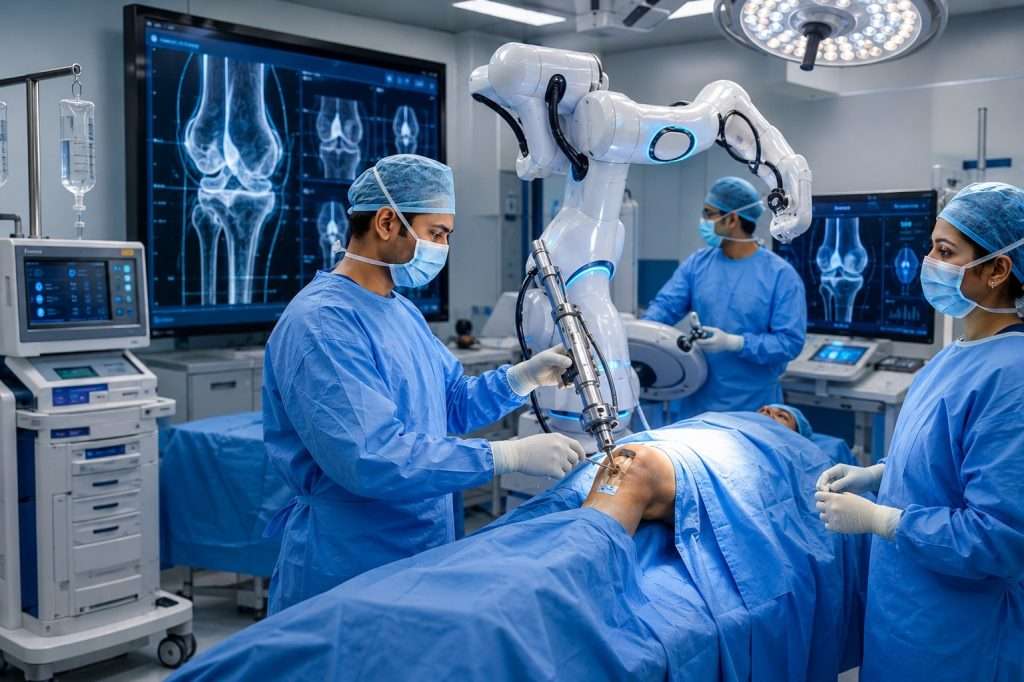
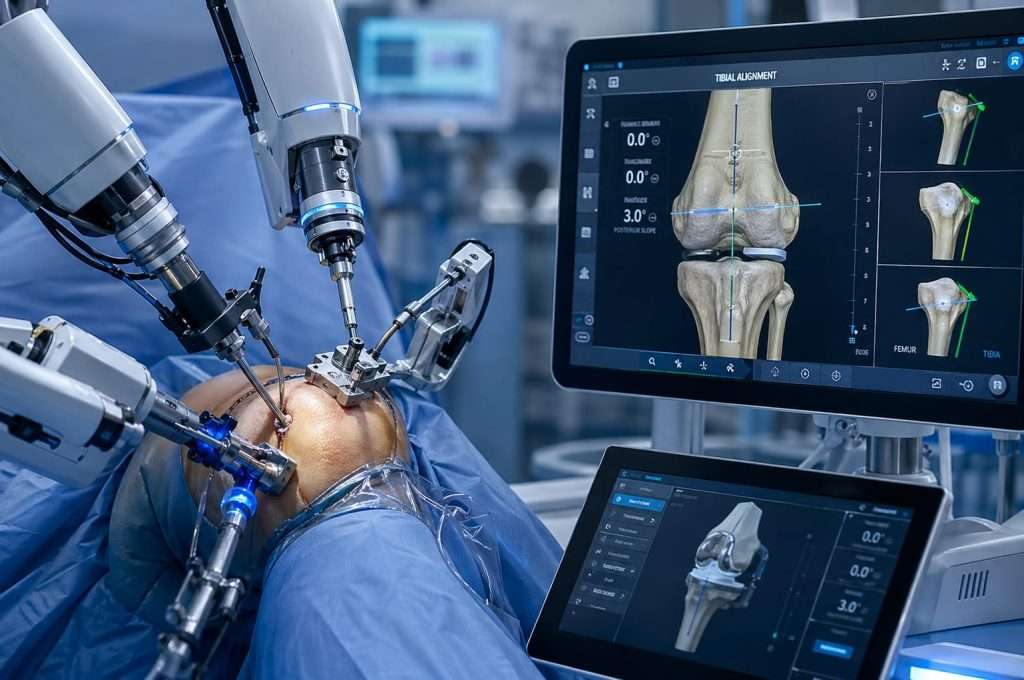
Robotic knee replacement is an advanced orthopedic procedure where surgeons use robotic technology to enhance accuracy during surgery. With the help of 3D imaging and real-time navigation, the system assists in precise bone cutting and implant positioning.
This results in:
- Better joint alignment
- Reduced damage to surrounding tissues
- Faster healing
- Long-lasting results
But even the best technology needs the right environment—this is where choosing the right hospital becomes critical.
Why Hospital Selection Matters More Than You Think
Many patients focus only on the surgeon, but the hospital plays an equally vital role. A well-equipped hospital ensures:
- Access to advanced robotic systems
- Experienced surgical support staff
- Strict safety and hygiene protocols
- Comprehensive post-operative care
Choosing the Best Robotic Knee Replacement Doctor in Pune is important—but without the right hospital infrastructure, outcomes may not be optimal.
Key Features of the Best Robotic Knee Replacement Hospital
1. Advanced Robotic Technology
Top hospitals invest in cutting-edge robotic systems that provide:
- 3D pre-surgical planning
- Real-time surgical guidance
- Improved implant accuracy
This ensures consistency and precision throughout the procedure.
2. Experienced Orthopedic Team
A hospital is only as strong as its team. Look for:
- Skilled orthopedic surgeons
- Anesthesiologists with joint replacement experience
- Trained nursing staff
- Dedicated physiotherapists
Team coordination significantly impacts surgical success and recovery speed.
3. High Success Rate and Patient Outcomes
Hospitals with strong track records typically:
- Have lower complication rates
- Offer better recovery timelines
- Provide transparent patient data
Always check patient testimonials and case studies before making a decision.
4. Strict Infection Control Measures
Infection prevention is critical in joint replacement surgeries. The best hospitals maintain:
- Sterile operation theatres
- HEPA filtration systems
- International hygiene standards
This reduces post-surgery risks significantly.
5. Comprehensive Rehabilitation Support
Recovery doesn’t end after surgery. A good hospital provides:
- In-house physiotherapy
- Customized rehabilitation programs
- Follow-up consultations
Proper rehab ensures long-term success and mobility.
Comparing Robotic vs Traditional Knee Replacement
Understanding the difference helps you make an informed choice.
| Feature | Robotic Surgery | Traditional Surgery |
| Accuracy | Very High | Moderate |
| Recovery Time | Faster | Slower |
| Pain Level | Less | More |
| Implant Positioning | Highly Precise | Manual |
Hospitals offering robotic procedures generally deliver better outcomes, making them a preferred choice for modern patients.
Cost of Robotic Knee Replacement in Pune
Cost is a major factor for most patients. While robotic surgery may be slightly more expensive, it offers long-term value.
Factors Affecting Cost:
- Type of hospital (multi-specialty vs specialty center)
- Surgeon’s expertise
- Implant quality
- Duration of hospital stay
- Post-operative care
Many top hospitals offer:
- Cashless insurance facilities
- EMI payment options
- Package-based pricing
Investing in the Best robotic knee replacement hospital in pune often reduces future medical expenses due to fewer complications.
Signs You’ve Chosen the Right Hospital
Here are indicators that you’re in the right place:
- Clear communication from doctors and staff
- Transparent pricing and treatment plans
- Availability of modern diagnostic tools
- Positive patient feedback
- Personalized attention and care
If a hospital meets these criteria, you are likely making a safe and smart choice.
Why Pune is a Leading Destination for Knee Replacement
Pune has rapidly grown into a healthcare hub for orthopedic treatments. Patients prefer Pune because of:
- Availability of advanced robotic technology
- Highly experienced orthopedic specialists
- Affordable treatment compared to metro cities
- Excellent rehabilitation facilities
This makes it easier to find the Best robotic knee replacement surgeon in pune along with world-class hospital support.
Step-by-Step Patient Journey in a Top Hospital
Understanding the treatment journey helps reduce anxiety.
Step 1: Consultation & Diagnosis
Doctors evaluate your condition using X-rays and scans.
Step 2: Pre-Surgery Planning
A customized surgical plan is created using advanced imaging.
Step 3: Robotic-Assisted Procedure
The surgery is performed with robotic precision.
Step 4: Immediate Post-Operative Care
Patients are monitored closely for stability and recovery.
Step 5: Rehabilitation & Follow-Up
Physiotherapy begins early to restore mobility and strength.
Questions to Ask Before Choosing a Hospital
Before finalizing your decision, ask:
- What robotic system is used in the hospital?
- How many knee replacement surgeries are performed annually?
- What is the infection rate?
- What post-surgery support is available?
- Are there insurance and EMI options?
These questions ensure you select a hospital that aligns with your expectations and medical needs.
Common Mistakes to Avoid
Many patients make avoidable errors when choosing a hospital:
1. Choosing Based Only on Cost
Low-cost options may compromise quality and safety.
2. Ignoring Technology
Not all hospitals offer advanced robotic systems.
3. Overlooking Rehabilitation
Recovery support is just as important as the surgery itself.
4. Not Checking Reviews
Patient feedback provides real insights into hospital performance.
Recovery and Long-Term Care
Recovery depends heavily on the hospital’s support system.
Typical Recovery Timeline:
- Day 1–2: Begin walking with assistance
- Week 2–3: Improved mobility
- 1–3 Months: Return to daily activities
- 3–6 Months: Full recovery
Hospitals with structured rehabilitation programs significantly improve recovery outcomes.
Diet and Lifestyle After Surgery
Post-surgery care plays a crucial role in recovery.
Recommended:
- High-protein diet
- Calcium-rich foods
- Regular physiotherapy
- Light physical activity
Avoid:
- High-impact exercises
- Excess weight gain
- Skipping rehab sessions
Future of Knee Replacement in India
With rapid advancements in healthcare, robotic surgery is becoming the standard for joint replacement. Hospitals are continuously upgrading technology to improve patient outcomes.
In the coming years, patients can expect:
- Even faster recovery times
- More personalized treatment plans
- Increased accessibility to robotic procedures
Choosing a hospital that stays updated with these advancements ensures you receive the best possible care.
Conclusion
Selecting the right hospital is one of the most important decisions in your knee replacement journey. While robotic technology has revolutionized orthopedic surgery, the expertise, infrastructure, and patient care provided by the hospital ultimately determine the success of your treatment.
If you are planning surgery, take time to research thoroughly and consult experienced professionals. Choosing the Best robotic knee replacement hospital ensures safety, precision, and a faster return to a pain-free life.
FAQs
1. How do I choose the best hospital for knee replacement?
Look for advanced technology, experienced doctors, patient reviews, and rehabilitation support.
2. Is robotic knee replacement available in all hospitals?
No, only well-equipped hospitals offer robotic-assisted procedures.
3. Is it worth paying more for robotic surgery?
Yes, due to better accuracy, faster recovery, and fewer complications.
4. How long do I need to stay in the hospital?
Typically 3–5 days, depending on recovery.
5. Can I resume normal activities after surgery?
Yes, most patients return to normal life within 2–3 months.