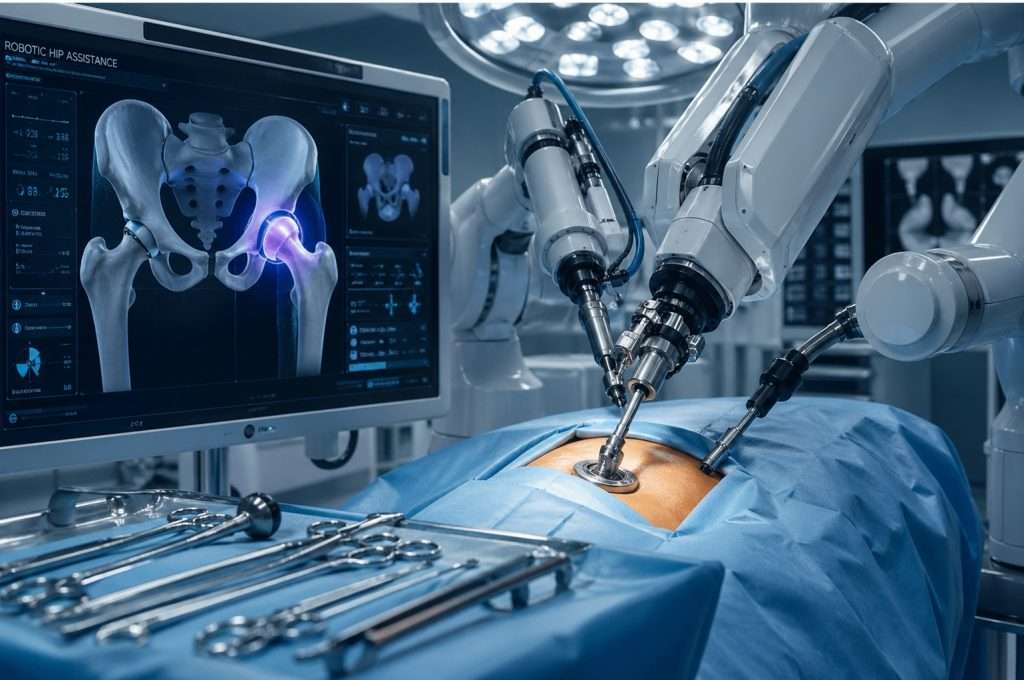
Hip replacement surgery has undergone a remarkable transformation in recent years, thanks to cutting-edge medical innovations. Patients who once faced long recovery periods and significant discomfort now have access to safer, faster, and more precise surgical options. If you are exploring treatment options with a Robotic Hip Replacement Surgeon in Pune, understanding these advancements can help you make a more confident and informed decision.
Evolution of Hip Replacement Surgery
Traditionally, hip replacement surgery involved large incisions, muscle cutting, and extended hospital stays. Recovery often took several months, and patients experienced considerable pain during the healing process.
Today, modern surgical techniques have significantly improved patient outcomes. With the introduction of precision tools and minimally invasive approaches, surgeries are now more efficient and less traumatic for the body.
What Are Advanced Hip Replacement Techniques?
Advanced hip replacement techniques refer to modern methods that enhance surgical precision while reducing physical stress on the body.
These include:
- Robotic-assisted surgery
- Minimally invasive procedures
- Muscle-sparing approaches
- Computer-guided surgical planning
These innovations allow surgeons to deliver better results with fewer complications.
Key Benefits of Advanced Hip Replacement
1. Improved Accuracy
Precision is one of the biggest advantages of advanced techniques. With modern tools, surgeons can:
- Plan procedures using 3D imaging
- Achieve accurate implant positioning
- Reduce the risk of surgical errors
Better alignment leads to improved joint function and longer-lasting implants.
2. Reduced Tissue Damage
Minimally invasive techniques focus on preserving muscles and surrounding tissues.
Benefits include:
- Smaller incisions
- Less trauma to the body
- Reduced scarring
This results in a more comfortable recovery experience.
3. Faster Recovery
Patients undergoing advanced procedures often benefit from:
- Shorter hospital stays
- Early mobility
- Faster return to daily life
Many individuals are able to walk within a day or two after surgery.
4. Less Pain and Fewer Complications
Because these techniques minimize trauma, patients typically experience:
- Lower pain levels
- Reduced risk of infection
- Fewer complications
This significantly improves patient satisfaction.
5. Better Long-Term Results
Accurate implant placement and minimal tissue disruption contribute to:
- Improved joint stability
- Longer implant lifespan
- Enhanced mobility
Patients can enjoy an active lifestyle for many years after surgery.
Role of Technology in Modern Hip Replacement
Technology has become a key driver of improved outcomes in orthopedic surgery.
Robotic systems assist surgeons by:
- Providing real-time data
- Enhancing precision
- Supporting better decision-making
While the surgeon remains in control, these tools improve consistency and reliability.
Minimally Invasive Breakthroughs in Hip Surgery
One of the most important developments in orthopedic care is the shift toward minimally invasive procedures. These techniques focus on reducing surgical impact while maintaining effectiveness.
A notable advancement is Superpath hip surgery Pune, which uses a muscle-sparing approach to access the hip joint. This method allows patients to experience:
- Minimal muscle disruption
- Faster recovery time
- Reduced post-operative pain
- Lower risk of dislocation
Such innovations are changing the way patients experience hip replacement surgery.
Who Can Benefit from Advanced Techniques?
Advanced hip replacement methods are suitable for a wide range of patients, including:
- Individuals with severe arthritis
- Patients suffering from chronic hip pain
- Those with limited mobility
- Active individuals seeking quicker recovery
However, the final decision depends on individual health conditions and medical evaluation.
Comparing Traditional vs Advanced Techniques
| Feature | Traditional Surgery | Advanced Techniques |
| Incision Size | Large | Small |
| Muscle Damage | High | Minimal |
| Recovery Time | Longer | Faster |
| Accuracy | Moderate | High |
| Pain Level | Higher | Lower |
This comparison highlights why modern techniques are becoming the preferred choice.
Importance of Choosing the Right Surgeon
Even with advanced technology, the surgeon’s expertise remains critical.
A skilled surgeon will:
- Choose the right technique
- Customize the treatment plan
- Ensure safe execution
- Guide the recovery process
The combination of experience and technology leads to the best outcomes.
Recovery After Advanced Hip Replacement
Recovery has significantly improved with modern techniques.
Typical Timeline:
- Day 1–2: Begin walking with support
- Week 2–4: Improved mobility
- 1–3 Months: Resume daily activities
- 3–6 Months: Full recovery
Following medical advice and physiotherapy is essential for optimal results.
Tips for Faster Recovery
To ensure a smooth healing process:
- Follow your doctor’s instructions carefully
- Attend physiotherapy sessions regularly
- Maintain a healthy diet
- Avoid high-impact activities initially
- Stay active within recommended limits
Consistency is key to successful recovery.
Cost vs Value of Advanced Techniques
Advanced procedures may have a higher initial cost compared to traditional methods. However, they offer long-term benefits such as:
- Reduced complications
- Faster recovery
- Improved implant longevity
This makes them a worthwhile investment for many patients.
Future of Hip Replacement Surgery
The field of orthopedic surgery continues to evolve rapidly. Future innovations may include:
- AI-assisted surgical planning
- Smart implants
- Even less invasive techniques
These advancements will further improve safety, precision, and patient outcomes.
Conclusion
Advanced hip replacement techniques are redefining the standards of patient care. With improved precision, reduced pain, and faster recovery, these innovations are helping patients return to their normal lives more quickly and comfortably.
Choosing the right surgeon and technique is essential for achieving the best results. With proper guidance and modern treatment options, patients can look forward to a pain-free and active future.
If you are considering modern surgical options, consulting experienced Superpath hip replacement surgeons in pune can provide access to advanced techniques that ensure better recovery and long-term success.
FAQs
1. Are advanced hip replacement techniques safer?
Yes, they are generally safer due to improved precision and reduced tissue damage.
2. How soon can I walk after surgery?
Most patients can walk within 24–48 hours with support.
3. Is robotic surgery better than traditional methods?
It offers higher accuracy, faster recovery, and better long-term outcomes.
4. Who is eligible for minimally invasive hip surgery?
Most patients with hip joint issues can be considered after medical evaluation.
5. How long does full recovery take?
Typically between 3–6 months.